|
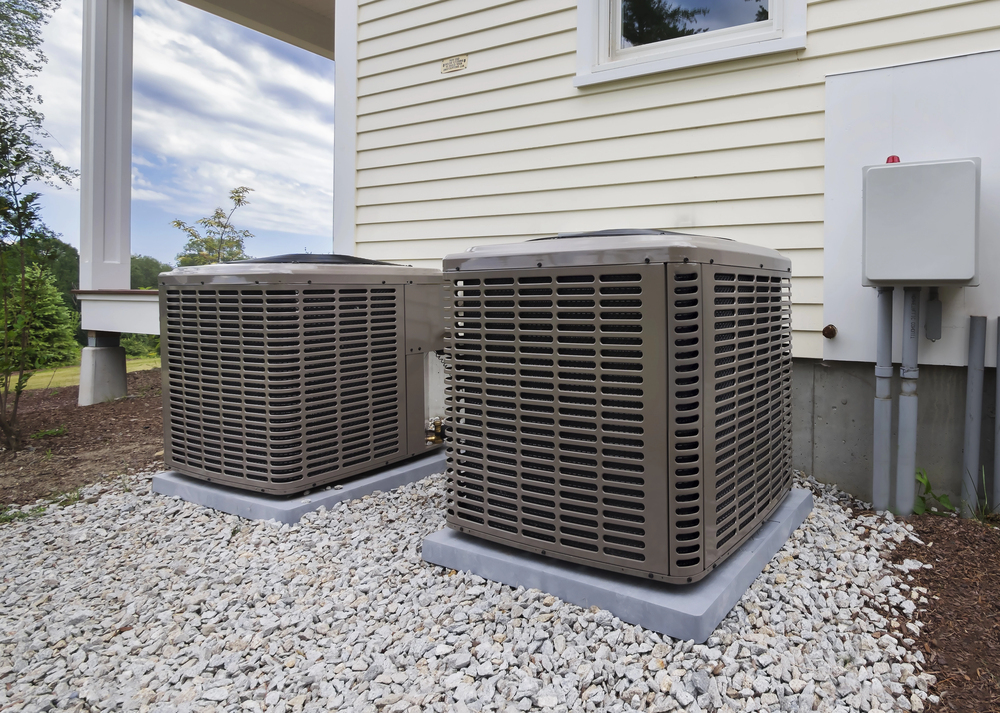
Curious if a heat pump can really keep your Superior home warm when the temperature drops? The short answer is yes. Modern cold‑climate systems are built for Front Range winters, and the right heat pump installation makes a big difference in comfort and efficiency. If you want a deeper dive or you’re comparing options, this guide explains how heat pumps deliver steady heat in freezing weather and when they are the best choice for your home in Superior, CO.
To see what a system could look like for your home, explore our heat pump services and learn how Air Craft Heating and Air Conditioning designs reliable setups for local winters.
What A Heat Pump Really Does In Winter
A heat pump doesn’t create heat like a furnace. It moves existing heat from the outdoor air into your home using refrigerant and a compressor. There is usable heat in the air even when it feels bitter outside. The system concentrates that heat and sends it indoors, keeping rooms comfortable without burning fuel.
Cold-Climate Technology That Makes It Possible
Today’s cold‑climate models use variable‑speed compressors and smart controls to squeeze heat out of very cold air. That steady, low‑speed operation keeps indoor temperatures even, which is helpful in Superior neighborhoods like Rock Creek and areas near Downtown Superior where winds can change conditions fast. Instead of blasting hot air in short bursts, the system hums along and maintains a consistent temperature.
Defrost Cycles Explained
On freezing days, moisture can frost up the outdoor coil. The heat pump will briefly switch to a defrost cycle, warming the coil so air can flow freely again. Indoors, you may notice slightly cooler supply air for a few minutes. That’s normal. Many systems use brief electric or gas backup heat during defrost to keep the house feeling steady.
How Heat Pumps Stay Efficient In Freezing Weather
Efficiency depends on matching the equipment to the home and climate. Along the US‑36 corridor, Superior can swing from sunny afternoons to single‑digit nights. A properly selected heat pump accounts for those swings and uses backup heat only when needed. When sized and set up correctly, a heat pump can be the primary heater most days, even in January cold snaps.
Local insight: Superior’s winter pattern includes quick cold fronts and strong winds that can make a home lose heat faster than you expect. Design choices like correct equipment size, smart thermostat settings, and proper placement of the outdoor unit help maintain comfort without waste.
Backup Heat And Dual‑Fuel: When You Need A Little Extra
There are two common backup strategies. One uses electric heat strips that activate only when outdoor temperatures are extremely low or during defrost. The other pairs a heat pump with a gas furnace in a dual‑fuel setup. In this hybrid system, the heat pump handles the majority of heating, then the furnace takes over only on the coldest hours. For many Superior homeowners replacing a furnace, dual‑fuel can offer the best of both worlds.
Choosing Between All‑Electric And Dual‑Fuel
All‑electric makes sense if your home is well insulated and you prefer a single system for heating and cooling. Dual‑fuel can be a smart pick if you want a familiar furnace as a backup for frosty overnights. Talk with an HVAC pro about your insulation levels, window age, and any drafts you notice in rooms facing Coalton Road winds.
Key Parts Working Behind The Scenes
Knowing the main pieces helps you understand performance and noise on winter days. Here are the basics most homeowners like to know:
- Outdoor unit with a variable‑speed compressor that adjusts output to match your home’s heat needs.
- Indoor coil and air handler that deliver steady, even supply air instead of short, hot blasts.
- Reversing valve that switches the system between heating and cooling modes as seasons change.
- Controls that decide when to run a defrost cycle and when to call for backup heat.
Comfort You Can Feel In Superior, CO
Superior sits on the edge of the foothills, so weather changes quickly. A well‑designed system smooths those swings. You’ll notice fewer temperature spikes and less dryness compared to some gas furnaces. If indoor air feels stuffy in winter, pairing your heat pump with an air quality solution can help. Our article on indoor air quality in the winter explains why sealed homes in cold weather often need better filtration and ventilation.
Is A Heat Pump The Right Fit For Your Home?
Most homes in Superior are good candidates, especially newer builds and remodeled homes with improved insulation. Older homes can still benefit when ductwork and airflow are evaluated. What matters most is getting the size, airflow, and control strategy right. That’s why choosing a qualified installer is so important.
- Homes with updated windows and air sealing often rely on the heat pump as the primary heater.
- Houses with older ducts or add‑on rooms may need airflow adjustments for even comfort.
- If you’re replacing a furnace, a dual‑fuel plan can reduce gas use while protecting comfort on the coldest nights.
Comparing Heat Pumps To Furnaces In Winter
A furnace makes high‑temperature heat with gas combustion. A heat pump makes moderate‑temperature heat by moving energy already in the air. In day‑to‑day life, that means a heat pump runs longer at lower output, which evens out room temperatures. Many homeowners in Rock Creek prefer that gentle, constant feel. Furnaces, by comparison, warm rooms quickly but can create swings and drier air.
Noise and placement matter too. Outdoor units should sit where winter winds and drifting snow are less likely to interrupt airflow. Location and mounting choices are part of a professional design so your system performs quietly through Superior’s gusty nights.
What To Expect From A Professional Installation
Good installations start with a proper load calculation, a duct and airflow check, and control settings that match your home. Those steps help the system avoid unnecessary backup heat and keep bills predictable. If you want to see how a well‑planned system comes together, browse the overview of our heating services before you compare equipment options.
Winter Performance Myths, Busted
“Heat pumps don’t work in freezing weather.” Cold‑climate models do exactly that, and they do it efficiently when matched to the home. They may call for backup only during the coldest hours.
“You must crank the thermostat way up.” Set a steady, comfortable temperature and let the system modulate. Rapid swings are less efficient and can feel uneven regardless of equipment type.
“Brand is all that matters.” Installation quality, sizing, and airflow have more impact on comfort and reliability than the logo on the box.
“Any contractor can set it and forget it.” Look for a licensed HVAC contractor who tests and documents airflow, refrigerant charge, and controls for true winter performance.
Energy Use And The Feel Of Your Home
When a heat pump runs at low speed for long periods, rooms feel consistently warm without the hot‑cold roller coaster. Many Superior homeowners notice quieter operation and gentler humidity levels. Because the system also cools in summer, you get one efficient solution for both seasons with a single set of ducts and controls.
When You’re Ready To Talk Options
If you’re on the fence, start by reviewing our page on heat pump installation to see how Air Craft Heating and Air Conditioning plans systems for cold weather. You can also learn more about our company and our heat pump installation approach on the home page. When you call, have a general sense of your home’s age, insulation, and any rooms that feel different from the rest. That helps us recommend a setup that fits Superior’s winter pattern and your comfort goals.
Your Next Step For Reliable Winter Comfort
Warm, steady, and efficient. That is what a well‑designed heat pump brings to a Superior, CO home. If you are planning a replacement or building an addition, our team will size the system, check airflow, and dial in controls so you stay comfortable through Front Range cold snaps. Call Air Craft Heating and Air Conditioning at 303-800-4328 to schedule a visit, or start with our overview of heat pump installation to see how we approach winter performance for homes like yours.
|



 "Scott was very thorough. We appreciated his willingness to come on a Sunday and an evening to get the job complete in the time frame we had. "